


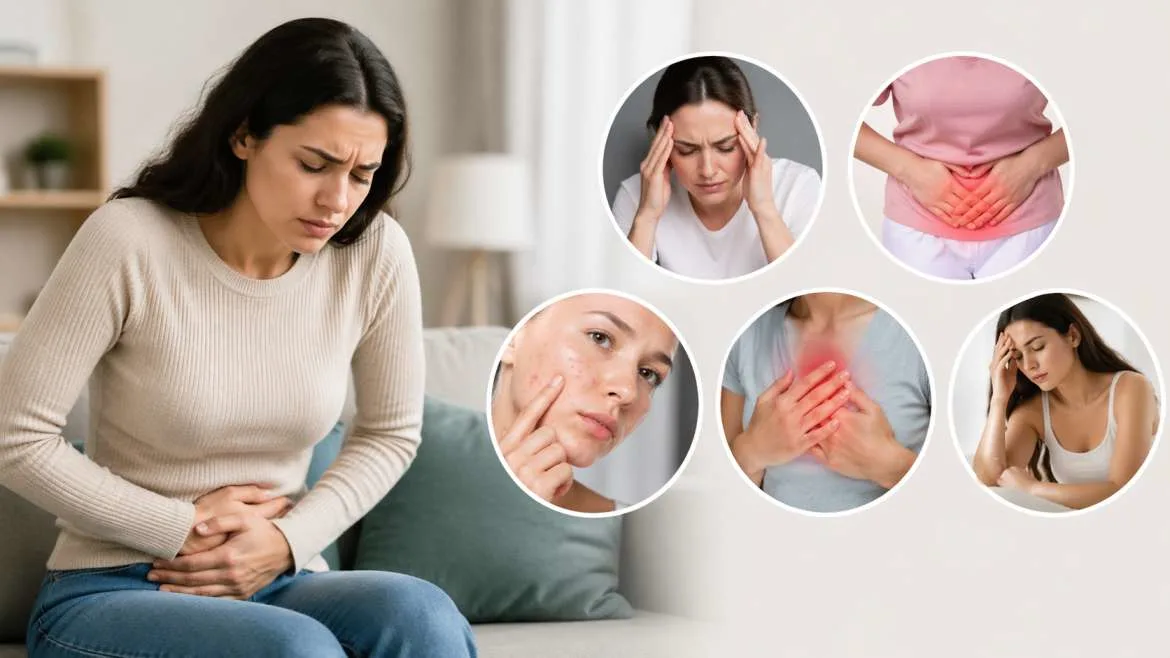
5 Common Women’s Health Problems You Shouldn’t Ignore
When we talk about health, women face some problems more than men. These problems are not small. They affect daily life, work, family, and future. Many women ignore early signs, feeling shy or assuming the problem will go away. But some health issues grow slowly and become big troubles.
Talks about the top 5 women's health issues seen in clinics, hospitals, and villages. These are not rare diseases. These are common women’s health concerns that millions face every day. We also look at women’s health risks by age and mental health issues in women because body and mind are connected. If you are a daughter, mother, sister, or grandmother, this information is for you. Let us start without any delay.
Why Understanding Women’s Health Issues Is Important
Many women put family first. They cook, clean, work, and take care of children and elders. In this busy life, they forget their own body. A small pain here. Some tiredness there. Irregular periods. Low mood. All these get ignored.
But major health issues in women do not come with loud noise. They come softly. By the time a woman goes to doctor, the problem has become serious. That is why knowing common health issues in women is not just good. It is life saving.
You may also read :- Women’s Health Awareness: What Every Woman Needs to Know
1. Anaemia: The Tiredness That Steals Your Energy
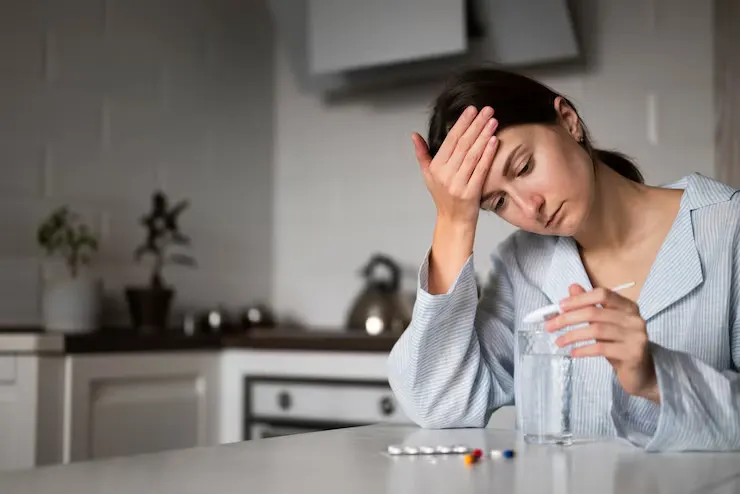
Anemia is the number one common women’s health concern. In simple words, anemia means low blood. More exactly, low hemoglobin. Hemoglobin is like a carrier of oxygen inside blood. When it falls down, the body does not get enough oxygen.
Why do women get anemia so much?
Women lose blood every month during periods. If the bleeding is heavy, iron goes out of body. Many women do not eat enough iron rich foods. Green leafy vegetables, meat, eggs, and certain dals are not taken in right amount. Also, some women have many children one after another. Pregnancy takes a lot of iron from mother’s body. If she does not get time to recover, anemia becomes permanent.
What does anemia feel like?
A woman with anemia feels tired all the time. She cannot climb stairs without breathing fast. Her face looks pale. Nails become thin and break easily. She feels dizzy. She cannot focus on work. Sometimes she craves mud or chalk. This is not drama. This is real.
Is it dangerous?
Yes. In pregnancy, anemia causes low weight baby. It can cause mother to bleed too much during delivery. In day to day life, it makes a woman weak and less productive. Many girls in schools leave studies because they feel too tired.
What can be done?
Iron tablets are cheap and available at any government clinic. Eating jaggery, amla, spinach, beetroot, and legumes helps. Cooking in iron vessels also adds some iron. But first step is to get a blood test done. That is the only way to know.
2. PCOD and PCOS – The Period Problem
The second biggest issue among top diseases affecting women is PCOD and PCOS. Many women mix these two. PCOD means Polycystic Ovarian Disease. PCOS means Polycystic Ovarian Syndrome. PCOS is more serious. But both affect periods and hormones.
What happens in this problem?
In a normal cycle, ovaries release one egg every month. In PCOD and PCOS, the ovaries make many small eggs but they do not come out. They stay inside like small bubbles or cysts. Because of this, periods become irregular. Some women get periods once in two months. Some get once in six months. Some get very heavy bleeding when it finally comes.
Other signs
Weight gain is very common. Especially around the stomach. Hair grows on face, chest, and chin like a man. Hair on head becomes thin. Acne does not go away even after teenage years. Getting pregnant becomes hard.
Why is it rising?
Doctors say lifestyle is the main reason. Eating too much oily and sugary food. Not moving body enough. Stress from studies, job, or marriage pressure. Also some girls get it from family genes.
What helps?
Losing even five percent of body weight helps periods become regular. Walking for 45 minutes daily. Eating more protein and less rice and roti. Avoiding packaged biscuits, chips, and cold drinks. Some women need medicine from a doctor. Do not ignore irregular periods thinking it is normal.
3. Thyroid Problems: The Imbalance Messing with Weight and Mood
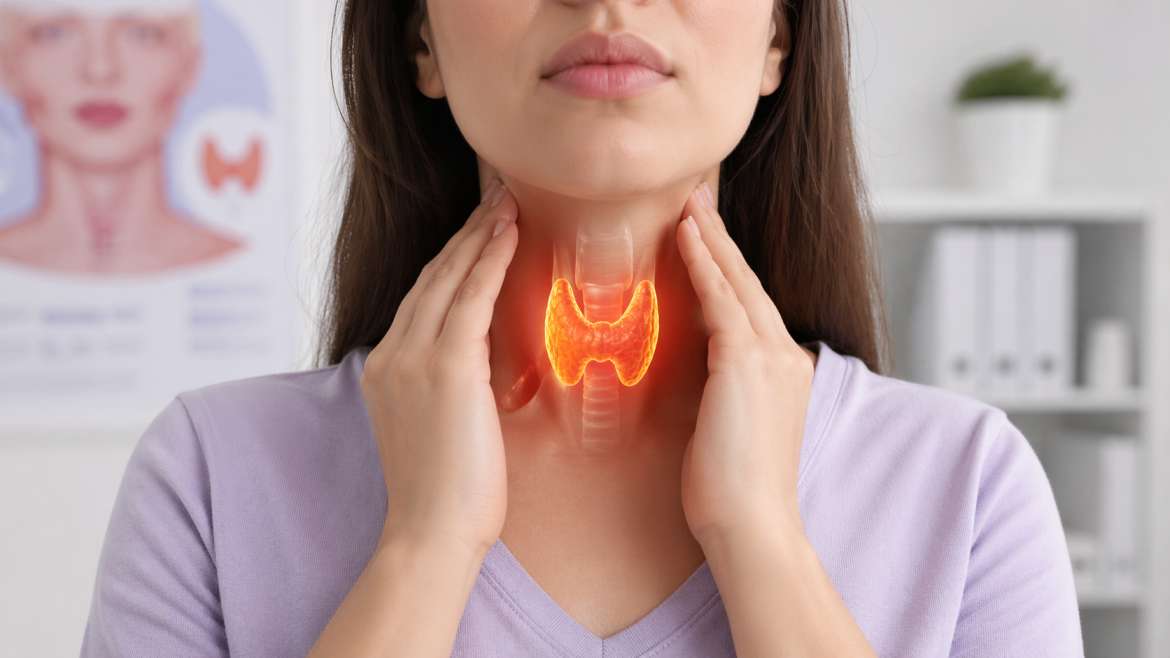
Thyroid is a small gland in neck. It controls how fast or slow your body works. In women, thyroid problems are much more common than in men. That is why this is one of the major health issues in women after a certain age.
Two types of thyroid
First is hypothyroidism. This means thyroid is lazy. It makes less hormone. Then the body becomes slow. Woman gains weight without eating much. She feels cold when others do not. Her memory becomes weak. She feels sad for no reason. Periods become heavy.
Second is hyperthyroidism. This means thyroid is overactive. Then body runs fast. Woman loses weight even after eating well. Heart beats very fast. She feels hot. She cannot sleep. She feels angry or nervous quickly.
Who gets it?
Women between 20 to 50 years are at highest risk. After pregnancy, some women get thyroid problem. After menopause also it can start. But now even with good salt, it happens because of auto immune issues. That means body attacks its own thyroid gland.
Solution
A simple blood test called T3, T4, and TSH tells the truth. Hypothyroidism is treated with a small tablet every morning. Hyperthyroidism needs different medicine. Once you start treatment, do not stop without doctor. Many women stop medicine when they feel better. That is wrong. Thyroid needs life long care in most cases.
4. Mental Health Issues in Women – The Silent Suffering
We do not talk enough about mental health issues in women. A woman is told to adjust. To compromise. To keep quiet. To not show anger or sadness. But inside, many women carry heavy weight.
Common mental problems in women
Depression is number one. It is not just sadness. It is losing interest in everything. Not wanting to eat or cook or meet anyone. Feeling like nothing matters. Many women have depression but they call it “tension” or “thoughts”.
Anxiety is another big one. Constant fear. Heart beating fast. Not able to sit still. Thinking something bad will happen. Many women get anxiety about children, money, or marriage.
After delivery, many new mothers get postpartum depression. They do not feel love for the baby. They feel guilty. They cry a lot. Family says “you just became mother, be happy”. That makes it worse.
Why are women more affected?
Hormones play a role. Periods, pregnancy, delivery, and menopause all change hormone levels. These changes affect mood. Also society puts more pressure on women. Look good. Earn money. Raise children. Keep husband happy. Manage in laws. All this without complaining. That breaks a woman slowly.
What to do?
Talking to a counselor helps. Taking medicine if needed is not shameful. Walking in sun for 15 minutes daily helps mood. Reducing social media also helps. But most important is this – if you feel sad for more than two weeks without reason, go to a doctor. Mental health is health. No difference.
5. Lifestyle Diseases in Women – Diabetes, BP, and Obesity
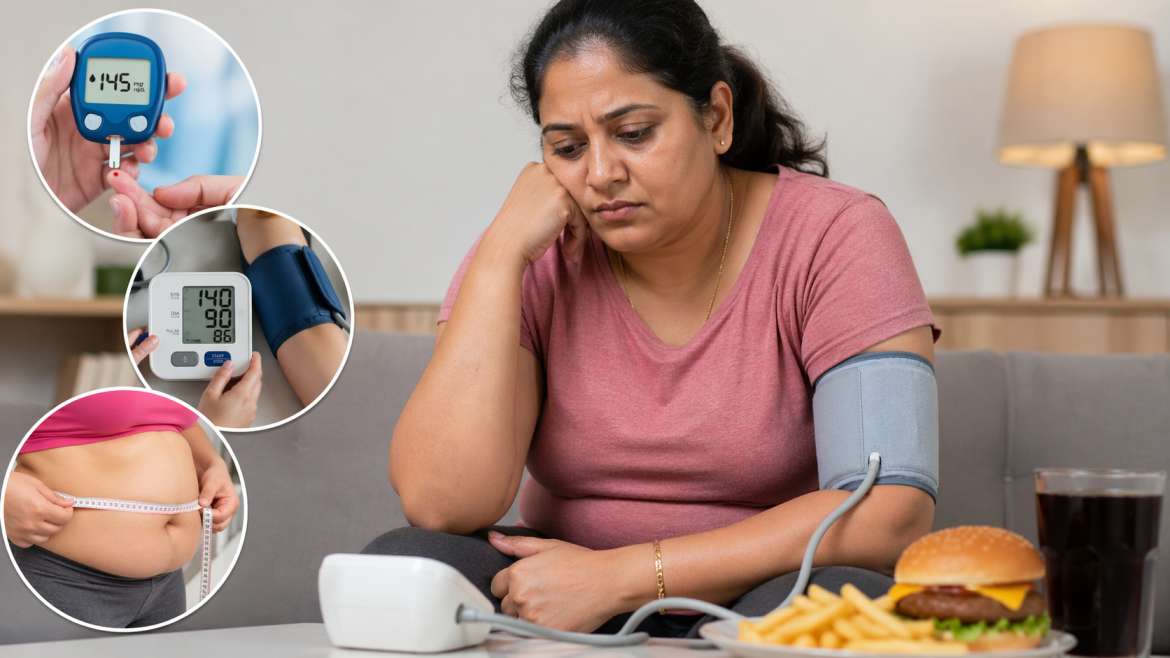
Earlier, old people got diabetes and blood pressure. Now young women in their twenties and thirties are getting these lifestyle diseases in women. The reason is not age. The reason is how we live.
Why is this rising?
Women now work more but move less. Sitting for office work or phone scrolling for hours. Eating outside food or ready to eat packets. Sleeping late. Waking up late. Stress of managing home and job. All these make the body sick.
Diabetes in women
Diabetes means sugar in blood becomes high. In women, diabetes causes repeated urine infection. It causes vaginal itching and infection. It makes periods irregular. During pregnancy, it can harm both mother and baby. Many women do not know they have diabetes because early signs are small.
High blood pressure
BP has no signs. That is the danger. A woman can have high BP for years and not know. Then one day she gets chest pain or blurry vision or even a small stroke. BP damages kidneys and heart slowly.
Obesity
Obesity is not about looking big. It is a disease. When a woman is obese, her joints hurt. She cannot breathe well while walking. She gets diabetes faster. She gets PCOD faster. She gets heart disease faster. we say “healthy and strong” for fat women. But that is wrong. Fat is not always fit.
What works?
Walking for 30 to 40 minutes daily. Eating dinner by 7 PM. Reducing sugar and maida. Checking BP and sugar once a year after age 30. If already diagnosed, take medicine on time. Do not listen to neighbours who say “desi nuskhe” instead of doctor. Nuskhe can help alongside medicine, not instead of it.
Women’s Health Risks by Age – A Simple Guide
Different problems come at different ages. Here is a small guide on women’s health risks by age.
Teenage years (13 to 19 years)
PCOD and anemia are common. Also period pain. Many teenage girls have low iron because of fast growth and poor food choices.
Young adult years (20 to 30 years)
Thyroid problems start. PCOD continues. Mental health issues like anxiety and depression peak because of career and marriage pressure. Lifestyle diseases can start if weight is not controlled.
Middle years (30 to 45 years)
This age has highest mix. Thyroid, diabetes, BP, obesity, and mental health issues all come together. Many women ignore symptoms because they are busy raising children and working.
Perimenopause and menopause (45 to 55 years)
Periods become irregular then stop. Hot flashes happen. Sleep becomes poor. Bones become weak. Risk of heart disease goes up. Vaginal dryness causes pain during sex.
Above 55 years
Blood pressure and diabetes need strict control. Bone break risk is high. Memory problems can start. Regular check up is not optional now. It is necessary.
Final Words
These top 5 women's health issues – anemia, PCOD/PCOS, thyroid, mental health problems, and lifestyle diseases – are not small or shameful. They are medical conditions. They can be treated. They can be prevented.
A woman gives so much to everyone. Now it is time to give some care to herself. You cannot pour from an empty vessel. If you are not healthy, you cannot take care of family or work or dreams. So start small. Get that blood test. Take that walk. Say how you feel without fear. That is not selfish. That is necessary.