



The Science of a Baby Bedtime Routine: Sleep Strategies
Getting a baby to sleep can feel like a mystery. But the truth is simple. A solid bedtime routine for babies works like magic. It tells their tiny brains, “Sleep time is coming.” I have worked with hundreds of families as a sleep consultant. I have seen the tears, the yawns, and the midnight struggles. And I have seen the joy of a baby who drifts off peacefully.
In this guide, I will give you real tools. You will learn exactly when a baby should start a bedtime routine. We will cover age-specific steps. And yes, I will even explain how to put a baby to sleep in 40 seconds using expert tricks.
Why a Bedtime Routine for Babies Changes Everything
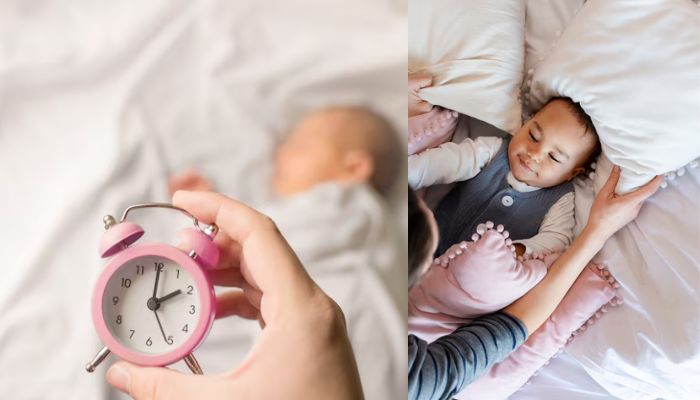
A routine is not just a list of tasks. It is a signal. Babies love patterns. When you do the same three or four things every night, your baby learns to relax.
Dr. Sarah Mitchell, a pediatric sleep specialist, says: A predictable bedtime routine lowers cortisol, the stress hormone. It also boosts melatonin, the sleep hormone. That chemical change makes falling asleep natural, not forced.
Without a routine, babies feel confused. They fight sleep because they don’t know it’s coming. With a routine, they yawn and snuggle in. It truly is that powerful.
You may also read :- New Parents Guide: Simple Parenting Tips Every Mom & Dad Should Know
The #1 Mistake Parents Make With a Bedtime Routine for Babies
Most parents start the routine too late. They wait until the baby is crying or rubbing eyes hard. That is already overtired territory.
An overtired baby has adrenaline pumping. They look wired, not sleepy. Trying to calm them takes forever.
The fix? Watch the clock and the cues. A good bedtime routine for babies should begin before the meltdown. Look for the first yawn, the jerkier movements, or the red eyebrows. That is your 5-minute warning.
When Should a Baby Start a Bedtime Routine? (Expert Answer)
You can start a gentle routine on day one. But manage your expectations. For a newborn (0 to 6 weeks), the routine is very short. Maybe just a diaper change, a swaddle, and a lullaby. The goal is not to enforce a schedule. The goal is to introduce the idea of day versus night.
Most babies are ready for a more structured bedtime routine for babies around 6 to 8 weeks old. By 3 months, a real pattern can form. And by 4 months, a solid routine is a non-negotiable sleep tool.
Bedtime routine for babies 2 months old – Simple and Sweet
At 2 months, your baby still eats often. They cannot self-soothe yet. So keep things gentle.
A great baby bedtime routine 2 months old looks like this:
- Step 1: Warm bath (just 5 minutes, use mild soap).
- Step 2: Baby massage with coconut or almond oil.
- Step 3: Fresh diaper and soft pajamas.
- Step 4: Feed (breast or bottle) in a dark, quiet room.
- Step 5: Burp, sway, and sing the same short song.
- Step 6: Lay down drowsy but awake (if possible).
Total time: 15–20 minutes. Do this at the same time every night. Around 7:00 PM to 8:00 PM is ideal. At this age, night wakings are normal. Do not stress. Just repeat a mini-version of the routine at 2 AM. Keep lights low and voices soft.
Bedtime routine for babies 3 months – Adding Structure
By 3 months, your baby’s circadian rhythm is waking up. That is the internal clock. Now is the time to lock in a consistent bedtime routine for babies 3 months. Your baby might stay awake for 60 to 90 minutes between naps. Bedtime should happen roughly 1.5 hours after the last nap ends.
Sample 3-month routine:
- 6:30 PM – Last feed of the day, in a bright room (to keep them awake enough to eat well).
- 7:00 PM – Warm bath + lavender lotion massage.
- 7:10 PM – Pajamas and sleep sack.
- 7:15 PM – Read one very short board book.
- 7:20 PM – Final feed (only 5–10 minutes) in the dark nursery.
- 7:25 PM – White noise on, lullaby, lay down awake.
At 3 months, some babies start sleeping longer stretches. A solid routine is the reason why.
Bedtime routine for babies 4 months – The Golden Age of Sleep
Four months brings the famous sleep regression. But do not panic. A strong bedtime routine for babies 4 months actually helps you survive the regression. Your baby is now more alert. They notice everything. So your routine must be boring. Yes, boring is good.
Key changes at 4 months:
- Move the last feed to the beginning of the routine. This breaks the “feed-to-sleep” habit.
- Add more active play before the bath to tire them out.
- Use blackout curtains. Any light can wake their curious brain.
- Keep the routine exactly 25–30 minutes. Not longer.
Example routine:
- Playtime on the floor (tummy time, reaching toys).
- Warm bath (add a rubber duck for fun).
- Massage and pajamas.
- Read 2 short books (same books every night).
- Sing one slow song while swaying.
- Lay down awake. Say “I love you. Sleep well.” Leave the room.
This works. I have seen 4-month-olds go from waking 6 times a night to sleeping 8 hours straight using only a better routine.
What Is the Best Bedtime Routine for Babies?

If you are asking what is the best bedtime routine for babies, here is your answer. This template works for 2 months to 12 months. Just adjust the timing and number of steps.
The Perfect Routine (30 minutes total):
| Step | Action | Time |
|---|---|---|
| 1 | Calm play (no screens, no tickling) | 5 min |
| 2 | Warm bath | 5 min |
| 3 | Lotion massage + pajamas | 5 min |
| 4 | Book (1 or 2 short ones) | 5 min |
| 5 | Lullaby or soft singing | 2 min |
| 6 | Final cuddle + lay down awake | 3 min |
That is it. No long rocking. No driving around the block. No secret tricks. The magic is in the consistency. Do the same steps in the same order every single night. Even when traveling. Even when you are tired.
What Time Should Bedtime Start?
Most babies do best with a bedtime between 6:30 PM and 7:30 PM. Why so early? Babies naturally wake early (6:00 AM to 7:00 AM). An early bedtime prevents overtiredness.
If your baby is 2 months old, aim for 7:30 PM to 8:00 PM. By 4 months, move it earlier to 7:00 PM. By 6 months, 6:30 PM is often perfect.
How Long Should the Routine Last?
- 0–2 months: 5 to 10 minutes.
- 3–4 months: 15 to 20 minutes.
- 5–12 months: 25 to 30 minutes.
Longer is not better. A 45-minute routine overstimulates a baby. Short and sweet wins every time.
How to Put a Baby to Sleep in 40 Seconds (Real Technique)
You read that right. How to put a baby to sleep in 40 seconds is not a myth. But it requires perfect timing. This technique comes from pediatrician Dr. Harvey Karp. It works best for babies under 3 months.
The 40-Second Method:
- Swaddle the baby snugly (arms down).
- Shush loudly right in their ear (use a white noise machine set to 70 decibels).
- Sway or jiggle very tiny, fast movements (no more than 1 inch back and forth).
- Offer a pacifier if they take one.
Do all four at the same time for 40 seconds. The baby’s calming reflex triggers. Their eyes get heavy. They relax their body.
Important: This only works in the first 5 minutes of fussing. If the baby is already screaming for 10 minutes, you missed the window. Watch for the very first “eh” sound. That is your cue.
For older babies (4 months+), you cannot use the 40-second trick. They need to learn to self-settle. But the routine alone will get them there in 5–10 minutes instead of 40 seconds.
The Science of Sleep Cues – Reading Your Baby Like a Book
You cannot start a bedtime routine for babies if you do not know when they are tired.
Early tired signs (start routine NOW):
- Pulling at ears
- Jerky arm and leg movements
- Zoning out or staring
- Sucking fingers more than usual
Late tired signs (you waited too long):
- Crying hard
- Rubbing face aggressively
- Arching back
- Clenching fists
If you see late signs, calm the baby first. Hold them, shush, and sway for 5 minutes. Then start your routine. Never start a bath with a crying baby.
Why Awake But Drowsy Matters
The phrase “drowsy but awake” is famous for a reason. It teaches babies to fall asleep alone. If you rock your baby until they are fully asleep, they wake up confused later. They think, “Where did mom go? I fell asleep in her arms!” Then they cry for you.
But if you lay them down when they are calm but still awake, they learn. They connect sleep cycles on their own. That means longer naps and fewer night wakings.
5 Common Bedtime Routine Mistakes (And How to Fix Them)
Even great parents mess these up. Here is how to fix them fast.
Mistake #1: Using screens or bright lights 1 hour before bed.
Fix: Dim all lights 30 minutes before the routine. Use a red nightlight if needed.
Mistake #2: Starting the routine at different times every night.
Fix: Pick a bedtime and stick to it within 15 minutes. Yes, even on weekends.
Mistake #3: Skipping the routine when you are tired.
Fix: Shorten it to 10 minutes, but never skip it. Even a diaper change + song works.
Mistake #4: Trying to put a baby to sleep who is not tired.
Fix: Make sure they had enough awake time before bed. At 3 months, that is 1.5 hours. At 6 months, it is 2.5 hours.
Mistake #5: Changing the order of steps.
Fix: Write the routine on a card. Tape it to the nursery wall. Follow it exactly.
Final Thoughts from a Sleep Expert
A great bedtime routine for babies is the single best gift you can give your family. It does not require expensive products or special training. It only requires your time and your love.
Start small tonight. Do just three things: diaper, dim lights, and a song. Tomorrow, add a bath. The next night, add a book. Within two weeks, you will have a baby who knows exactly what comes next. And you will have more rest, more patience, and more joy.
FAQs – Bedtime Routine for Babies
Q1: Can I start a bedtime routine for babies at 6 months if I never had one before?
Yes, absolutely. Start tonight. It will take a little longer (about 2 weeks) for an older baby to adjust, but they will. Be patient and consistent.
Q2: How to put a baby to sleep in 40 seconds without swaddling?
Once your baby rolls over, you cannot swaddle. Instead, use loud white noise, a pacifier, and gentle jiggling while holding them on their side. It may take 2 minutes instead of 40 seconds, but the same calming reflex works.
Q3: What if my baby cries during the bedtime routine?
Stop the routine. Comfort them fully. Then start over from step one. A crying baby learns nothing. A calm baby absorbs the routine.
Q4: When should a baby start a bedtime routine that includes a book?
You can read to a newborn. They love the sound of your voice. But around 3 months, they start looking at pictures. That is the perfect time to add a board book to your bedtime routine for babies 3 months.
Q5: My baby falls asleep fine but wakes every 2 hours. Is the routine broken?
No. The routine is likely fine. Your baby may have a hidden issue like reflux, hunger from a growth spurt, or a room that is too hot or cold. Check those first. Also ensure the last feed ends 20 minutes before bed.