



The Power of Parent-Child Bonding: Benefits & Strategies
Parent child bonding is the deep emotional connection you build with your child through daily care, play, and trust. This bond shapes how your child thinks, feels, and behaves for life. Strong parent-child bonding starts from birth but grows at any age. You build it with simple actions: eye contact, hugs, listening, and playing together. Science shows that parent child bonding lowers stress in both parent and child. It also boosts confidence and school success. The best part? You don’t need money or special skills. Just time, patience, and love. This guide shares real activities, therapy tips, daily routines, and affection habits that work for every family.
What Is Parent-Child Bonding?

Many people mix up bonding with spoiling. That is wrong. Parent child bonding means creating safety, not giving treats. Bonding is not about big trips or expensive toys. A father once said, “I worked overtime to pay for a zoo trip. My son just wanted me to push him on the swing.” That is the truth. Small moments matter most.
Parent child bonding happens when you:
- Look into your child’s eyes
- Say “I see you are sad” instead of “Stop crying”
- Play without your phone
- Keep promises, even small ones
You may also read :- The Science of a Baby Bedtime Routine: Sleep Strategies
Parent Child Bonding Is Built On Trust, Not Perfection
You will lose your temper. You will feel tired. That is fine. Parent child bonding grows when you fix mistakes. Say sorry. Hug it out. Try again. Your child learns that love stays, even after hard moments.
Parent Child Bonding Activities That Work For All Ages
You do not need a gym or a classroom. Parent child bonding activities fit right into your home. These ideas work for babies, kids, and teens.
5-Minute Parent Child Bonding Activities For Busy Days
Short on time? Try these fast parent child bonding activities:
- The five-second hug – Hug your child for five full seconds. Count in your head. This releases feel-good chemicals.
- High-five with a twist – Give a high-five, then wiggle your fingers together.
- One question – Ask “What made you smile today?” Listen without fixing anything.
- Dance break – Play one song. Jump around like silly monkeys.
A dad of three told me, “These small things saved us. We stopped fighting in the car. Now we do the high-five game.”
Weekend Parent Child Bonding Activities That Build Memories
Longer parent child bonding activities create stories your child will tell as an adult.
- Cooking together – Let your child measure flour or stir the pot. Messes are fine.
- Nature walk – Collect five leaves or three rocks. Talk about their shapes.
- Fort building – Use blankets and chairs. Bring flashlights. Read one book inside.
One mom shared, “My teen rolled her eyes at first. But inside the fort, she opened up about a bully at school. I almost cried.”
Parent Child Bonding Therapy: When You Need Extra Help
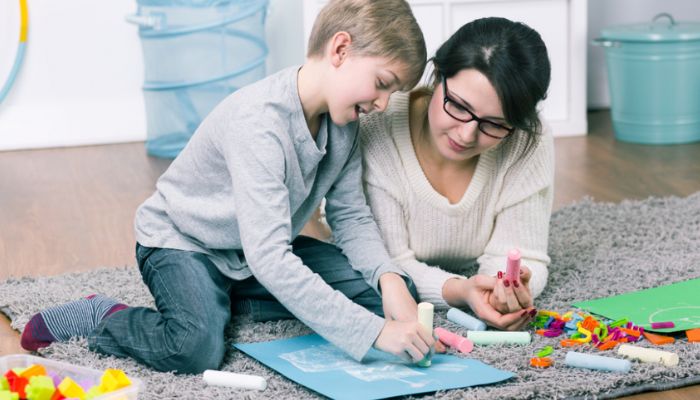
Sometimes bonding feels hard. Maybe your child had a hard start. Maybe you feel distant. Parent child bonding therapy offers real help. It is not scary. It is not shameful.
What Happens In Parent Child Bonding Therapy Sessions
Therapists use play, drawing, and talking. They watch how you and your child interact. Then they teach small changes.
For example, a therapist might say:
- “Sit on the floor, not the chair.”
- “Repeat what your child says: ‘You feel angry. I hear you.’”
- “Let your child lead the play for ten minutes.”
Parent child bonding therapy works fast. Many families see progress in 8 to 12 sessions.
Expert quote from Dr. Lisa Freeman, child therapist for 20 years: “I have seen foster kids hug their new parents after six weeks of bonding therapy. The brain can heal. Love rewires fear. Never give up.”
Signs You Might Need Parent Child Bonding Therapy
Look for these red flags:
- Your child hits or bites often
- You feel scared of your child’s outbursts
- Your child does not look at you
- You feel nothing when they cry
Getting help is brave. It shows you love your child enough to try something new.
Parent Child Bonding In Daily Life (Without Extra Time)
You are busy. I get it. Work, chores, and stress eat up your hours. But parent child bonding daily life actually works better inside normal moments. You do not need “special time.”
Morning Parent Child Bonding Daily Life Routines
The first five minutes of the day set the tone.
- Wake your child with a gentle back rub
- Say “Good morning, I am happy to see you”
- Let them pick their socks or cereal (small choices build trust)
One working mom said, “I used to rush mornings. Now I wake up ten minutes earlier. We sit and do nothing. Just breathe. My kids are calmer all day.”
Bedtime Parent Child Bonding Daily Life Rituals
Bedtime is gold for parent child bonding daily life.
- Read one short book (even for teens – read a poem or comic)
- Share one good thing and one hard thing from your day
- Sing a silly song or hum a tune
A father of a 14-year-old said, “We stopped talking. Then I started lying on his bed for five minutes. No questions. Just quiet. Now he talks to me again.”
Car Ride Parent Child Bonding Daily Life Moments
Do not waste car time. No phones. No radio.
- Play “I Spy” with colors
- Ask “If you had a superpower, what would it be?”
- Tell a short story from your own childhood
These small parent child bonding daily life habits take zero extra time. But they build huge trust.
Parent Child Bonding Affection: Small Touches, Big Results
Hugs, pats, and smiles matter. Parent child bonding affection is not about spoiling. It is about filling your child’s emotional tank.
Physical Parent Child Bonding Affection For Different Ages
Babies need skin-to-skin contact. Toddlers need lap time. Big kids need high-fives and back pats. Teens need side hugs or a hand on the shoulder. A grandmother told me, “I still hug my 30-year-old son. He calls me every Sunday. Affection never goes out of style.”
Non-Physical Parent Child Bonding Affection That Works
Not every child loves touch. That is fine. Parent child bonding affection also includes:
- A thumbs-up from across the room
- A note in their lunch box
- A wink when they do something kind
One mom said, “My daughter hates hugs. So I draw a tiny heart on her hand each morning. She smiles every time.”
How Parent Child Bonding Helps Tough Behaviors
Does your child yell, hit, or refuse to listen? Parent child bonding fixes the root cause, not just the behavior. When kids feel disconnected, they act out. They think, “If I cannot get love, I will get attention.” Any attention works for a hurting child.
But when you strengthen parent child bonding, your child stops fighting for attention. They already feel seen. A foster mom shared, “My son broke toys on purpose. I started sitting next to him during play. No words. Just presence. After two weeks, he stopped breaking things.”
The 10-Minute Rule For Parent Child Bonding
Try this tonight. Set a timer for ten minutes. Do whatever your child wants to do. No teaching. No correcting. No phone. This simple parent child bonding trick changes everything. Your child feels like the boss of your love. That feeling kills bad behaviors fast.
Common Parent Child Bonding Mistakes (And How To Fix Them)

You will make mistakes. We all do. Here are the biggest ones and the easy fixes.
Mistake 1 – Thinking Bonding Needs Big Gestures
A birthday party does not build bonding. Daily small moments do.
Fix: Do one tiny thing today. A hug. A listening ear. A shared laugh.
Mistake 2 – Fixing Feelings Instead Of Hearing Them
When your child cries, do you say “Stop crying” or “You are fine”? That kills parent child bonding.
Fix: Say “You feel sad. I am here.”
Mistake 3 – Using Phones During Moments Together
Your child sees where you look. If you look at a screen, they feel less important.
Fix: Put your phone in another room for 20 minutes a day.
Real Stories of Parent-Child Bonding Success
Real families. Real change. These stories are true, but names are changed.
Anna and her son, Leo (age 7) – Leo refused to talk after school. Anna started the “car snack rule.” No questions. Just a muffin and quiet music. After three days, Leo said, “A kid laughed at my shoes.” Anna listened. Leo cried. They hugged. Now Leo talks every day.
Mark and his daughter, Zara (age 15) – Zara stopped coming out of her room. Mark felt lost. He started knocking and asking, “Can I sit on your floor for five minutes?” No talking. Just presence. After two weeks, Zara asked, “Dad, do you ever feel lonely?” Mark cried. Now they have dinner together three times a week.
Elena and her twins (age 4) – The twins fought all day. Elena felt like a bad mom. She started parent child bonding with five minutes of one-on-one play for each twin. No rules. Just fun. The fighting dropped by half in one week.
Final Thoughts
Pick one thing from this blog. Just one. Maybe it is the five-second hug. Maybe it is the car snack rule. Maybe it is ten minutes of play. Do it today. Then do it again tomorrow. Parent child bonding grows like a garden. You do not see the roots at first. But one day, you look up and see a strong tree. You have everything you need already. Your hands. Your voice. Your time. That is enough. That is always enough.
FAQ
Q1: Can I build parent child bonding if my child is already a teenager?
Yes. It is never too late. Start small. Sit near them. Do not force talk. Ask about their music or shows. Be curious, not critical.
Q2: How long does parent child bonding take to show results?
You may see small changes in three days. Big changes take three to six weeks of daily practice. Be patient with yourself.
Q3: What if I did not bond with my child as a baby?
The brain grows and changes forever. You can start parent child bonding today. Many adoptive parents and foster parents build strong bonds years later.
Q4: Does parent child bonding work for children with autism or ADHD?
Yes. You may need to adjust the activities. Use fewer words. Use more touch (if your child likes it). Follow their lead. Therapists who know parent child bonding therapy can help you adapt.
Q5: Can a single parent build parent child bonding without help?
Yes. You just need consistency. Choose two daily moments: morning and bedtime. Protect those moments like a treasure. You do not need another adult.