


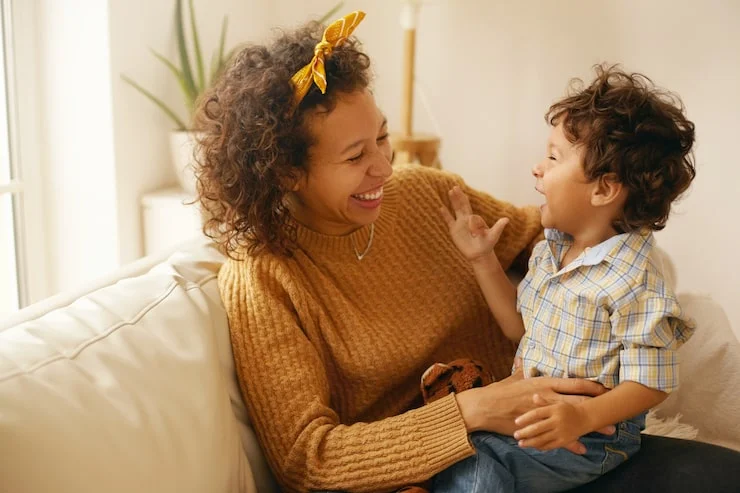
Positive Parenting Strategies For Preschoolers
Preschoolers are at a stage where they want to do things on their own but still need your help to handle big feelings and follow rules. Positive parenting during these years focuses on connection before correction. It builds a relationship where your child feels safe enough to cooperate, not just obey.
This article gives you practical strategies you can use today. Every idea comes from established parenting resources and is written to be clear and useful. No jargon, positive parenting strategies for preschoolers.
What Positive Parenting Means for Preschoolers?

Positive parenting means guiding your child with respect and clear limits. It does not mean letting them do whatever they want. It also does not mean punishing them for normal mistakes.
For preschoolers, this approach works because their brains are still learning how to control impulses and manage emotions. They are not being difficult on purpose. They are still developing the skills to handle frustration, share, and wait.
The goal is to teach, not to control. When your child grabs a toy, you are not just stopping the behavior. You are teaching them what to do instead. When they melt down because you said no, you are helping them learn how to cope with disappointment.
Read Also: Easy Ways to Cut Down Screen Time for Kids: Simple Parent Guide
Build Connection First
Your child needs to feel connected to you before they will willingly follow your guidance. Connection is not a reward for good behavior. It is the foundation that makes cooperation possible.
Delight in togetherness. Spend time with your child doing things they enjoy. This does not require hours of special activities. Even short moments of fully focused attention count. Talk about their day, join their play, or give them a small task while you cook. The key is that you are both engaged and enjoying each other.
Be present in small moments. Ten minutes of true quality time can make a real difference. This could happen during bath time, while getting dressed, or during a walk. Put your phone down. Listen when they talk. Respond to what they say.
Connect emotionally every day. Hug your child. Tell them you love them. Listen when they share something important to them. These small acts of connection build trust that carries through the harder moments.
Use Encouragement That Actually Works
Praise is powerful, but only when it is specific. Generic phrases like "good job" leave your child unsure about what they did right. Specific praise tells them exactly what to repeat.
Name the behavior you appreciate. Say "Thank you for putting your shoes away" instead of "good boy." Say "You waited so patiently while I finished talking" instead of "nice job". This helps your child understand what you value.
Notice effort, not just results. When your child tries something hard, praise the process. "You kept trying even when it was tricky" builds more confidence than "you got it right". This teaches them that effort matters.
Use rewards that build connection. Instead of buying toys as rewards, offer activities. Let your child choose the family movie. Play a board game together. Go to the park. These rewards give you shared time and do not create dependence on material things.
Give Instructions They Can Follow
Preschoolers often ignore instructions not because they are defiant, but because they did not fully hear or understand them. A few small changes make a big difference.
Get their attention first. Go to your child. Get down to their eye level. Say their name. Wait until they look at you before you speak. Giving instructions from across the room rarely works.
Keep it simple and positive. "Please put the blocks in the box" works better than "stop making a mess". Tell them what to do, not what to stop doing. One instruction at a time is enough for this age.
Make it playful when you can. "Let us race to the door" works better than "come here now." "Can you hop like a bunny to the bathroom?" gets cooperation when a plain command does not.
Set Clear Rules and Limits
Preschoolers need to know what is expected. Clear rules help them feel secure. They also reduce the number of times you have to correct them.
Keep rules few and simple. For this age, rules should focus on safety and respect. "We wash hands before eating." "We use gentle hands." "We put toys away when we are done". Write them down or draw pictures if that helps your child remember.
Be consistent. The same rule should apply every day. When rules change based on your mood, your child gets confused and testing limits becomes more common. Consistency helps them learn what to expect.
Explain the reason briefly. "We hold hands in the parking lot so cars can see us" gives your child a reason to cooperate. Long explanations do not work for this age, but a short reason helps them understand that rules exist for a purpose.
Handle Challenging Behavior with Calm
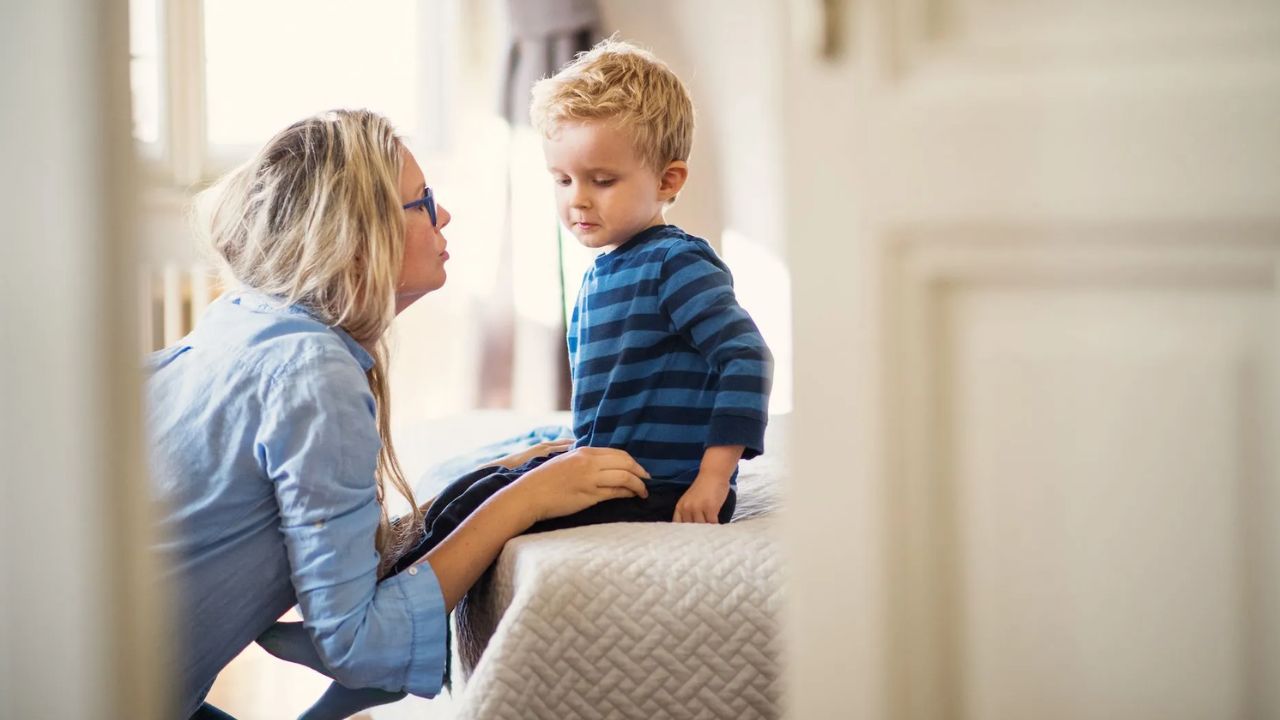
Every preschooler misbehaves sometimes. They get tired, hungry, frustrated, or bored. Their behavior is communication, not a personal attack on you.
Stay calm. Your child feeds off your energy. If you yell, the situation usually escalates. If you stay calm, they are more likely to settle down. If you feel yourself getting angry, take a few deep breaths before you respond.
Address the behavior, not the child. Say "We do not hit" instead of "you are being bad." Say "Line up and wait your turn" instead of "you are so rude". This keeps your child's sense of self separate from the mistake they made.
Try to understand the reason. Is your child hungry? Tired? Overwhelmed by a new situation? Unwilling to stop because they are having fun? When you see the reason behind the behavior, it is easier to respond with patience.
You May Also Like: Parenting Tips Every First-Time Mom Needs
Use Logical Consequences
Logical consequences help your child learn that actions have results. They are not punishments. They are connected to what happened and they are brief.
Connect the consequence to the behavior. If your child grabs a toy from someone, the toy gets put away for a few minutes. If they refuse to come to dinner, the toy they are playing with gets put away until after the meal.
Keep it short. For preschoolers, consequences should last minutes, not hours. A two-minute break from play is enough. Taking away a privilege for the whole day does not teach anything because they forget why it happened.
Stay respectful. Do not shame, blame, or criticize. Give the consequence calmly and firmly. The goal is learning, not making your child feel bad.
Create Routines That Reduce Battles
Preschoolers thrive on predictability. When they know what comes next, they are less likely to resist. Routines also help them develop self-care habits.
Organize the day around key moments. Morning getting ready, meals, bath time, and bedtime. Keep the order the same each day. Give a warning a few minutes before each transition: "In five minutes, we clean up for bath time".
Prepare them for changes. If something different is happening, tell them in advance. "Grandma is visiting today. She will want to say hello. What should we do when she arrives?". This gives them time to adjust.
Use routines for independence. Let your child do what they can. They can put their shoes away. They can carry their plate to the sink. They can choose between two shirts. These small choices build confidence and reduce power struggles.
Take Care of Yourself Too
Positive parenting takes energy. When you are exhausted or stressed, staying calm and patient is much harder. Your needs matter too.
Get support. Talk to other parents. Ask for help when you need it. You do not have to do this alone.
Take breaks when you can. Even a few minutes alone to breathe or drink a cup of tea can help you reset. If you have a partner, trade off so each of you gets some downtime.
Be kind to yourself. You will not do this perfectly. No one does. When you make a mistake, repair it. Apologize if you lost your temper. Your child learns from watching you handle your own mistakes with honesty and positive parenting strategies for preschoolers.
Positive parenting for preschoolers is not about being perfect. It is about being present, clear, and kind. When you connect first, give simple instructions, set limits with respect, and follow through calmly, you are teaching your child skills they will use for the rest of their life.